



Top
What the top tells you
The surface responds quickly to wind, air exchange, sunlight, photosynthesis, weather, and algae. It is essential context, but it can look stable even while oxygen is disappearing below the thermocline.
LakeTech
Couldn't load pickup availability
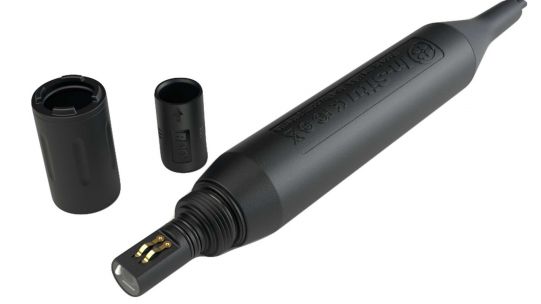
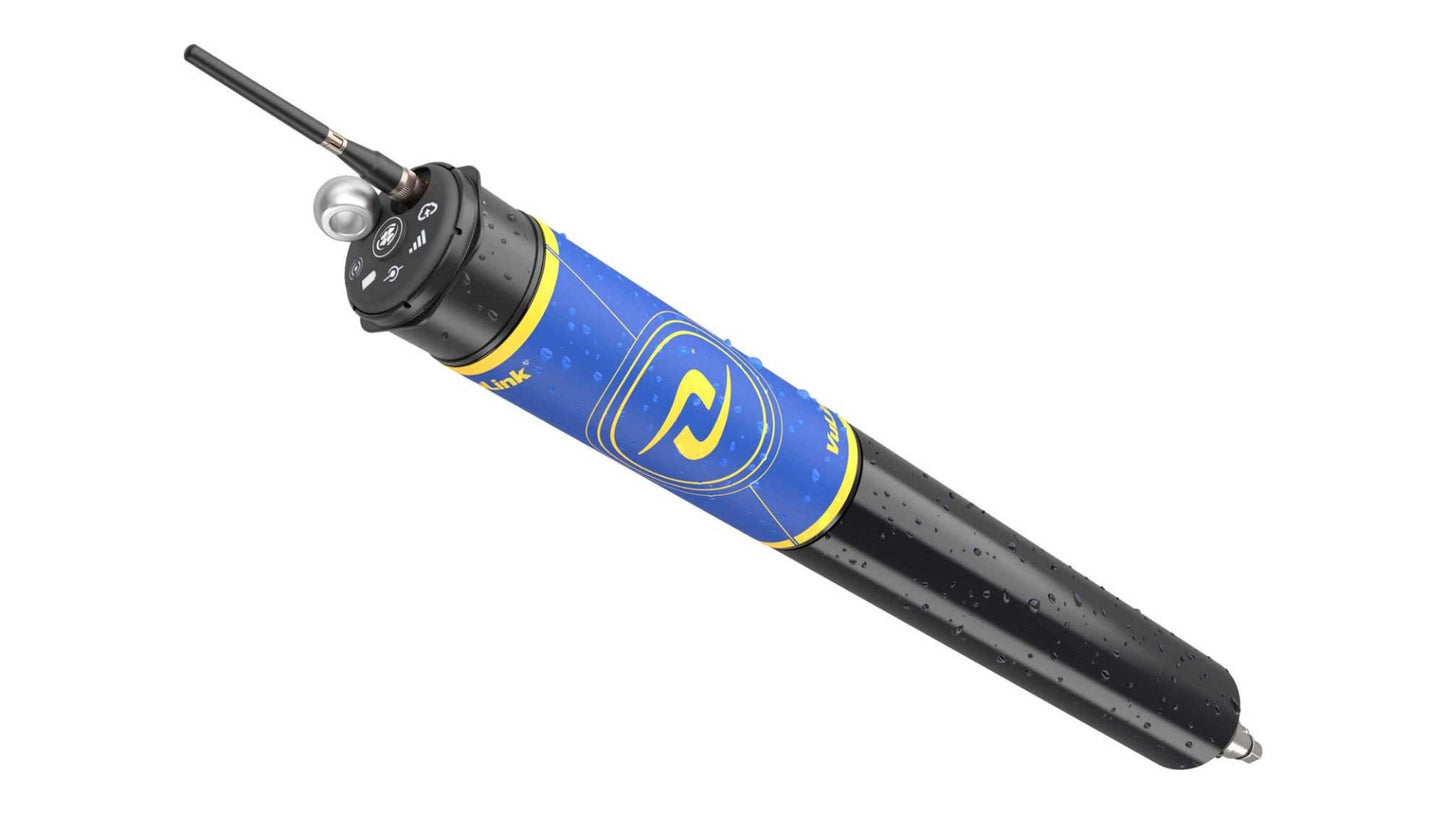
Complete top and bottom dissolved oxygen monitoring system for lakes and ponds. LakeTech Top/Bottom provides continuous readings from an RDO Blue probe near the surface and a second RDO Blue probe at the selected depth, with data transmitted through VuLink.
Why two depths: A healthy surface reading does not guarantee healthy water below. Comparing the top and bottom sensors helps reveal stratification, catch deep-water oxygen loss early, protect fish habitat, and confirm that management is reaching the lake bottom. Maintaining adequate oxygen at depth preserves more usable habitat and helps reduce low-oxygen fish-kill risk.
Complete system includes:
Choose a 5, 10, 20, 40, or 50-foot bottom sensor depth. Each variant is priced as a complete, fully built system.


Whole-water-column insight
A healthy surface reading does not guarantee healthy water below. In a stratified lake, warm surface water can stay oxygenated while deep water is cut off from mixing and steadily loses dissolved oxygen. Measuring both depths reveals the conditions a single surface reading can miss.
Top
The surface responds quickly to wind, air exchange, sunlight, photosynthesis, weather, and algae. It is essential context, but it can look stable even while oxygen is disappearing below the thermocline.
Bottom
Deep water shows the combined effect of stratification, microbial decomposition, and sediment oxygen demand. A falling bottom trend is often the earliest warning that usable fish habitat is shrinking.
Compare
The difference between top and bottom shows where oxygen loss begins, how quickly it is progressing, and whether aeration or another management response is reaching the deepest water.
Protect the refuge below
Fish need both suitable temperature and enough dissolved oxygen. When bottom water becomes oxygen-poor, fish are compressed into a smaller band of habitat near the surface. A turnover, storm-driven mixing event, algal crash, or sudden increase in oxygen demand can then leave too little refuge.
Maintaining adequate oxygen near the bottom with a properly designed aeration or lake-management plan preserves more usable habitat and reduces fish-kill risk. Continuous top and bottom data provides early warning, helping you respond before deep-water conditions become critical and verify that the response is improving the full water column.
The management advantage
Two depths turn a snapshot into a diagnosis: see the healthy surface, catch hidden bottom depletion, and act while there is still time to protect fish and the lake ecosystem.