|
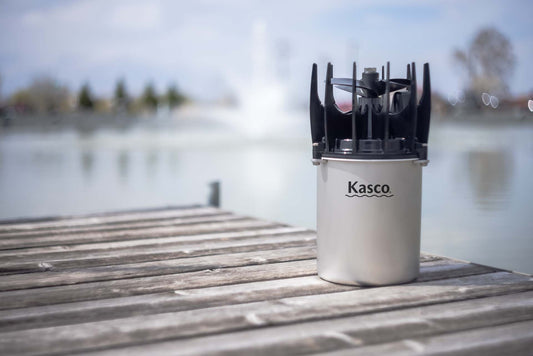
Move or oxygenate water
|
Compare bottom-up diffusion, vigorous surface aeration, and display fountains. |
The job is circulation, oxygen transfer, or both. |
Start with the aeration field guide, then size from depth, shape, power, and oxygen demand. |
Confirm maximum depth, basin shape, available power, cord route, and the desired kind of water movement. |
|
Add a decorative display
|
Compare classic V-pattern and interchangeable-pattern fountain families. |
Visual presentation and surface movement are both goals. |
Start with the fountains field guide before choosing horsepower, pattern, lighting, and cord. |
Confirm water depth, basin dimensions, voltage, cord route, and whether deeper water also needs diffused aeration. |
|
Compare treatment roles
|
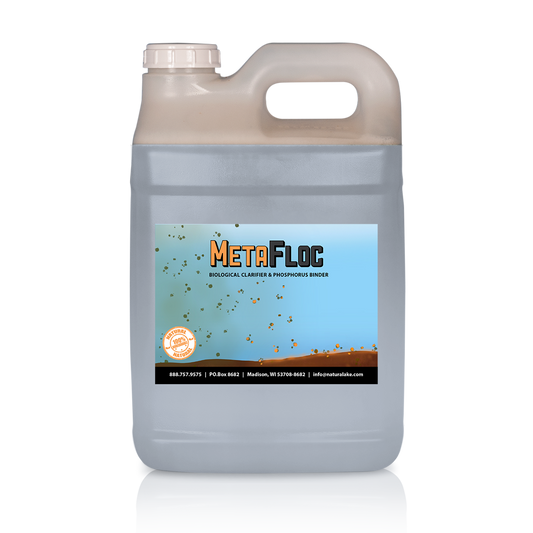
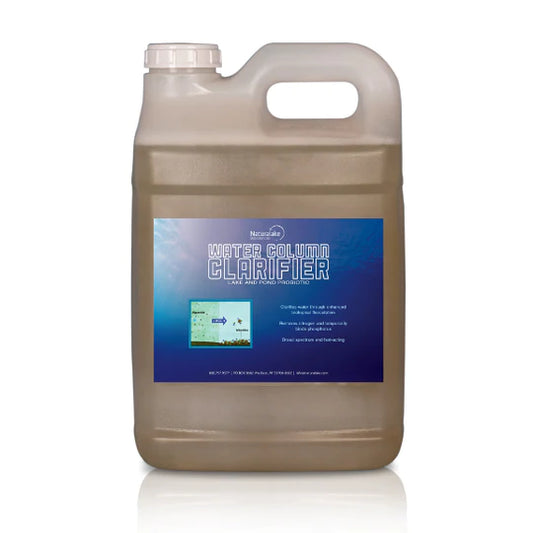
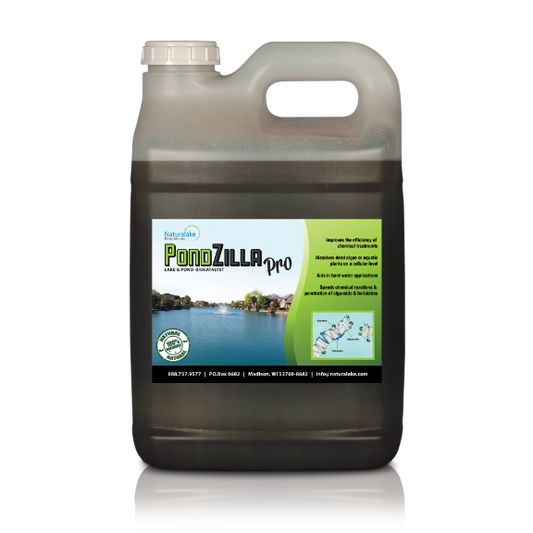
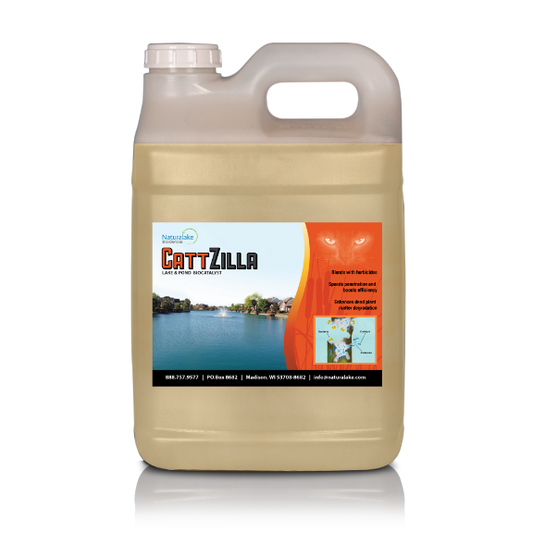
Separate program adjuncts, water-column products, sediment products, and seasonal biological maintenance. |
A defined water-management goal fits a documented product role. |
Start with the treatments guide, then calculate area or volume from the current directions. |
Confirm the target, diagnosis, water conditions, current label, and whether fish are under stress. |
|
Address clarity
|
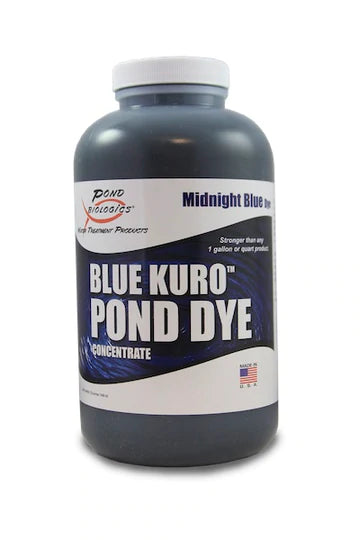
Compare appearance, light management, flocculation, nutrient, and biological clarity paths. |
The cause of the visual problem is understood well enough to choose a management path. |
Use the algae and water-clarity guide to separate dye from treatment. |
Confirm whether the issue is color, suspended material, nutrients, algae, or possible cyanobacteria. |
|
Address muck and organic debris
|
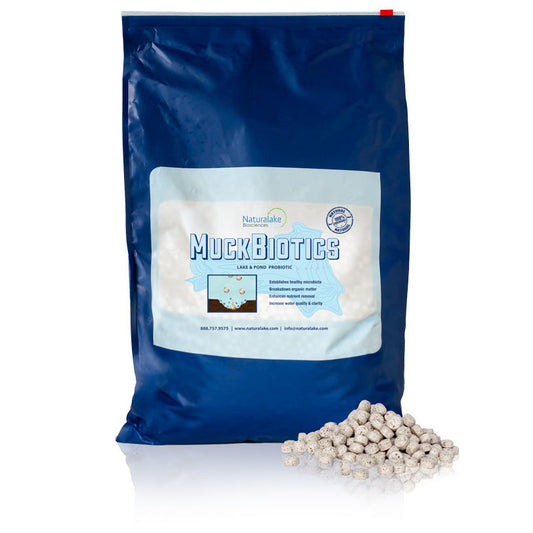
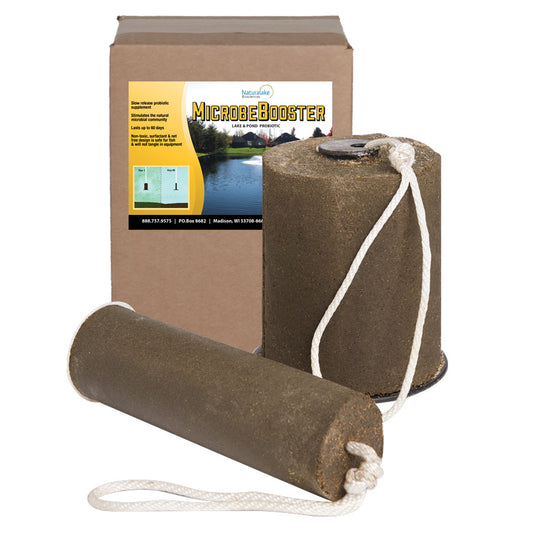
Compare bottom-targeted formats, cold-water biology, and maintenance support. |
The defined target is sediment or organic loading rather than an unexplained water-column issue. |
Use the muck and sludge guide to match location, temperature, format, and treatment area. |
Confirm water temperature, treatment area, muck depth, aeration, and current directions. |
|
Move shoreline water
|
Compare AquatiClear packages by intended current, site geometry, power, mount, and cord. |
Floating material or low-flow shoreline zones need directed circulation. |
Start with the shoreline circulation guide before choosing horsepower. |
Confirm voltage, GFCI protection, submergence, bottom clearance, orientation, and a removal plan. |
|
Plan winter de-icing
|
Configure a de-icer around the structure, depth, ice conditions, electrical service, and safety plan. |
A dock or fixed structure needs a site-specific open-water strategy. |
Start with the de-icing guide, then select the exact horsepower, voltage, cord, and controller. |
Confirm placement, GFCI protection, local requirements, and visible thin-ice or open-water warnings. |
|
Monitor water quality
|
Match the management question to parameters, deployment length, telemetry, and maintenance. |
Decisions depend on measured dissolved oxygen, temperature, conductivity, level, or a broader sensor payload. |
Start with the monitoring guide before selecting an instrument or sonde configuration. |
Confirm parameters, depth range, cables, communications, power, calibration, and service access. |
|
Match parts or lighting
|
Identify the installed parent equipment before comparing service parts, fixtures, controls, and consumables. |
A known model needs maintenance, a compatible accessory, or lighting. |
Start with the parts and accessories guide, then match exact model and configuration. |
Confirm model, serial or part number, voltage, generation, cord, control method, and package contents. |